
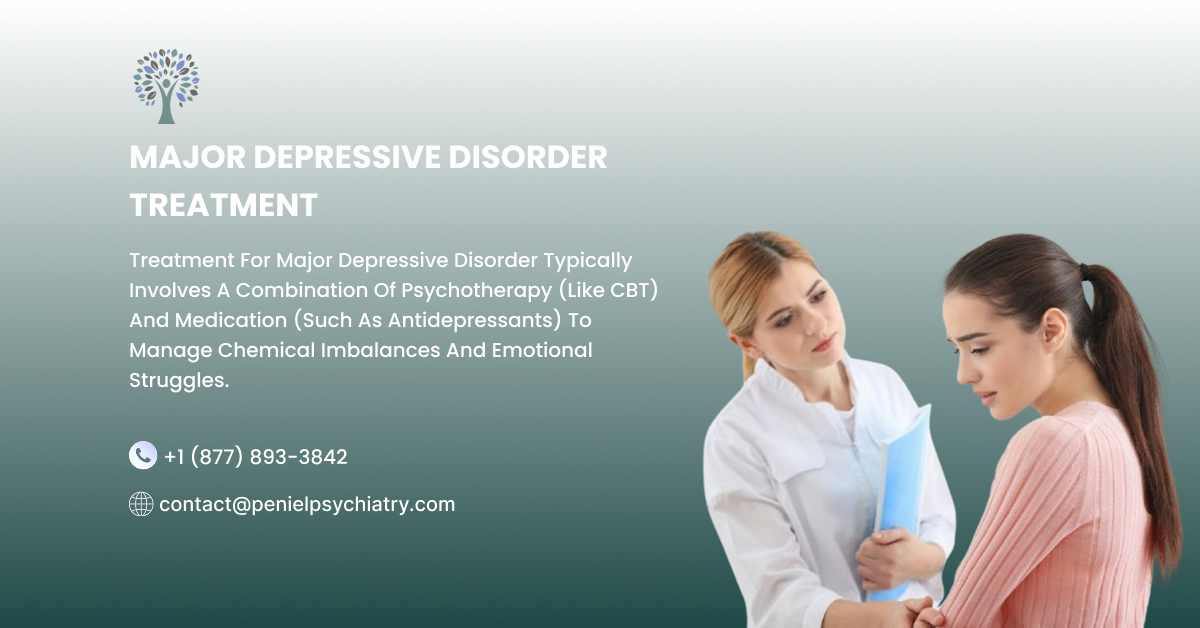
Treatment of Major Depressive Disorder gives real support for people facing deep and lasting depression. This condition affects mood, sleep, and focus. It can affect work and daily life. It lasts longer than short sadness. Many people feel stuck and tired. Clear care brings real hope.
Major depressive disorder treatment uses therapy, care plans, and mental health support. Some people use psychotherapy for depression. Some people use antidepressant medication. Many people need both forms of care. A clear treatment plan lowers symptoms.
It lowers the risk of relapse. Treating major depression takes time and patience. Depression management brings steady progress. People can feel stable again. People can live a healthier life.
What Is Major Depressive Disorder?
Major depressive disorder is a medical mental health condition. It affects mood, thoughts, and daily actions. The feelings last for weeks or months. This form of depression does not fade on its own. Proper depression diagnosis helps people receive the right depression treatment options early.
Common symptoms people experience
People with major depressive disorder often feel deep sadness. The feeling stays most days. Energy levels drop. Sleep patterns change. Some people sleep too much. Some people sleep very little. Focus becomes weak. Simple tasks feel hard. Appetite may change. Weight may rise or fall. Many people lose interest in hobbies.
Joy feels distant. Feelings of guilt or worthlessness may appear. Thoughts move slowly. Decision-making feels heavy. These signs point toward clinical depression treatment needs. Mental health professionals look at symptoms over time. One bad week does not define the condition; duration and intensity matter in depression diagnosis.
How it differs from short-term depression
Short-term sadness comes from life events. Loss, stress, or disappointment can cause it. These feelings often fade with time. Major depressive disorder lasts longer. The symptoms feel stronger. Daily function drops in clear ways. Work performance suffers. Relationships feel strained. Treating major depression requires a clear treatment plan. Rest alone does not fix it.
Depression management focuses on steady care. Psychotherapy for depression helps many people. Depression medication treatment may help others. Major depressive disorder treatment targets the root of the condition. Care continues even after symptoms ease. Long-term therapy for major depressive disorder lowers the risk of symptoms returning.
Why Proper Treatment Matters
Proper care plays a significant role in recovery from major depressive disorder. This condition affects more than mood. It involves thoughts, energy, and daily function. Without the right depression treatment options, symptoms can grow stronger over time. Early and steady care helps people regain balance and stability.
Effects on daily life and relationships
Major depressive disorder can disrupt everyday routines. Getting out of bed may feel hard. Work tasks may feel overwhelming. Focus drops. Memory feels weak. Small choices feel heavy. These changes affect job performance and home life. Relationships can suffer. People may withdraw from family and friends.
Communication becomes limited. Misunderstandings increase. Mental health support helps repair these areas. Psychotherapy for depression gives people a safe space to talk. It helps identify thought patterns that affect behavior. Treating major depression supports healthier habits and better connections with others.
Risks of leaving depression untreated
Untreated depression can deepen over time. Symptoms may last longer and feel more intense. Physical health can suffer. Sleep problems may worsen. Changes in appetite can affect strength and energy. Depression management becomes harder when care starts late. Some people turn to unhealthy coping habits.
This can create new problems. Clinical depression treatment lowers these risks. A clear treatment plan helps manage symptoms step by step. Depression medication treatment may help regulate mood in some cases. Mental health professionals guide care based on each person’s needs. Long-term therapy for major depressive disorder reduces relapse risk. Proper care supports safety, function, and quality of life.
Therapy Options for Major Depressive Disorder
Therapy is a key part of treating major depressive disorder. It helps people understand their feelings, cope with symptoms, and manage daily life. Many forms of therapy exist, and mental health professionals choose the approach that best suits each person’s needs. Therapy is often combined with depression medication treatment for stronger results.
Cognitive Behavioral Therapy (CBT)
Cognitive behavioral therapy is one of the most effective treatments for major depressive disorder. CBT helps people recognize negative thought patterns. It shows how these thoughts affect feelings and actions. People learn to replace harmful thoughts with more balanced, realistic ones. CBT teaches coping strategies. It helps manage stress, improve mood, and regain focus. Many studies show CBT can reduce symptoms of clinical depression and prevent future episodes.
Talk Therapy and Counseling
Talk therapy allows people to share feelings in a safe and supportive environment. Counselors listen, guide, and provide tools for managing emotions. Therapy for depression helps people express thoughts without judgment. It can improve self-awareness and help in making positive changes. Regular sessions give ongoing support and encouragement, which is essential in depression management.
When therapy alone may be enough
Some people benefit from therapy without needing medication. This is often the case for mild or moderate depression. Therapy helps strengthen coping skills and resilience. It also builds routines and healthier habits. Mental health support combined with lifestyle changes can make a big difference. Therapy is flexible and can be tailored to each person’s pace and needs. With steady care, many people see clear improvement in mood, energy, and daily functioning.
Medication Used in Major Depressive Disorder
Medication is often part of major depressive disorder treatment. It can help balance brain chemicals that affect mood and energy. Mental health professionals guide depression medication treatment. The right choice depends on symptoms, past treatment history, and any other health conditions. Medication works best when combined with therapy for depression and steady mental health support.
Common antidepressant types
There are several types of antidepressants. Selective serotonin reuptake inhibitors (SSRIs) are the most commonly prescribed. They increase serotonin levels in the brain, which can improve mood and reduce anxiety. Other options include serotonin-norepinephrine reuptake inhibitors (SNRIs), tricyclic antidepressants, and atypical antidepressants. Each type works slightly differently, and doctors choose the one that best suits individual needs.
How long does medication take to work
Antidepressants usually take a few weeks to show noticeable effects. Some people notice slight changes within the first week, but full improvement may take six to eight weeks. Patience is important. Mental health professionals monitor progress and adjust medication if needed.
Some side effects may include mild nausea, headaches, or changes in sleep. Most side effects improve over time. Doctors help manage them to keep treatment safe and comfortable. Medication is not a quick fix but a key part of steady depression management.
Combining Therapy and Medication
Many people with major depressive disorder benefit from combining therapy and medication. Therapy for depression helps with thoughts, emotions, and coping skills. Medication can help balance mood and energy. Together, they often work better than either treatment alone. Combined care supports faster and more lasting improvement in daily life.
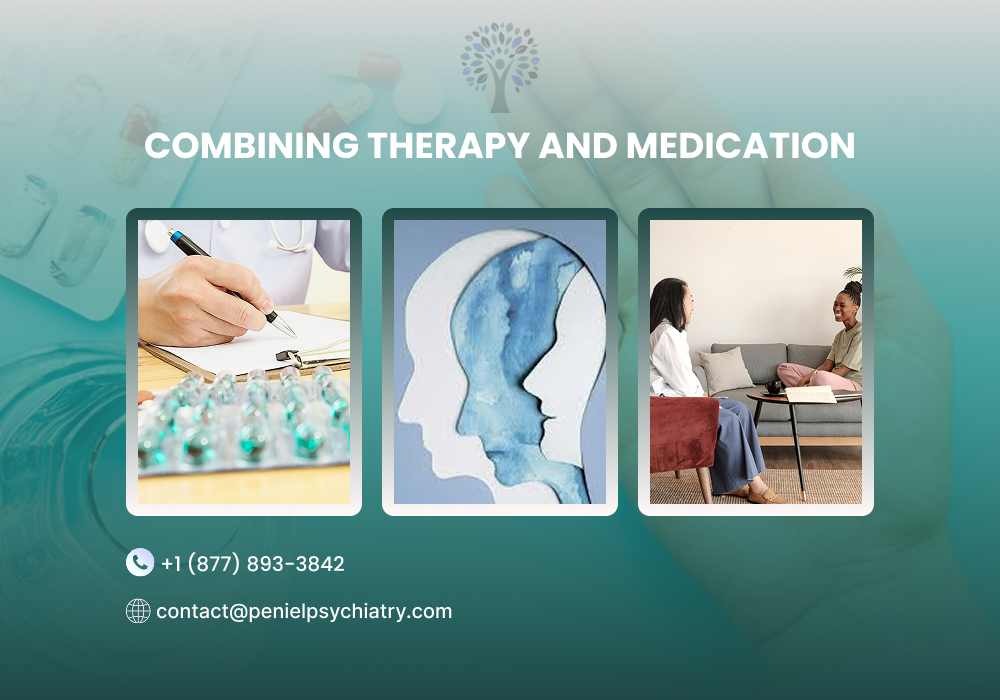
Therapy helps people recognize negative thinking and build healthy habits. Medication addresses chemical changes in the brain that affect mood. When used together, they cover both the mental and biological aspects of depression. This approach can reduce symptoms more quickly and lower the risk of relapse.
How doctors decide the right plan
Doctors look at several factors when planning treatment. They consider symptom severity, history of depression, medical conditions, and personal preferences. Some people may start with therapy alone if depression is mild. Others may need medication from the start. Regular follow-ups help adjust therapy or medication as required. Mental health support is provided throughout, ensuring steady progress.
Combined treatment allows people to manage symptoms effectively. It supports energy, focus, and motivation. It also helps improve daily routines, work performance, and relationships. With ongoing care, many people find that major depressive disorder becomes manageable, and life can feel more stable and positive again.
Treatment for Severe or Long-Term Depression
Some people experience major depressive disorder that is severe or lasts for a long time. This type of depression can be more complex to manage, but proper care can still help. Professional depression treatment focuses on reducing symptoms, improving daily function, and preventing relapse.
If standard therapy or medication does not reduce symptoms, doctors may adjust the treatment plan. They may try different antidepressant types, combine medications, or increase therapy sessions. Mental health professionals closely monitor progress to ensure safety and effectiveness.
Advanced treatment options
For severe cases, other treatments may be recommended. Electroconvulsive therapy (ECT) can help people who do not respond to medication. Repetitive transcranial magnetic stimulation (rTMS) is another non-invasive option that can improve mood. Specialists carefully manage these treatments and are typically considered when standard care is insufficient.
Hospital or intensive care support
Some individuals may need short-term hospital care for safety or intensive treatment. Hospital programs provide structured therapy, regular medication monitoring, and 24-hour support. Intensive outpatient programs are also available for people who need daily guidance but can live at home.
Even in severe or long-term depression, consistent therapy, medication, and mental health support can make a significant difference. With the proper treatment, people can regain stability, improve their mood, and return to daily activities. Proper depression management gives hope for recovery, even in challenging cases.
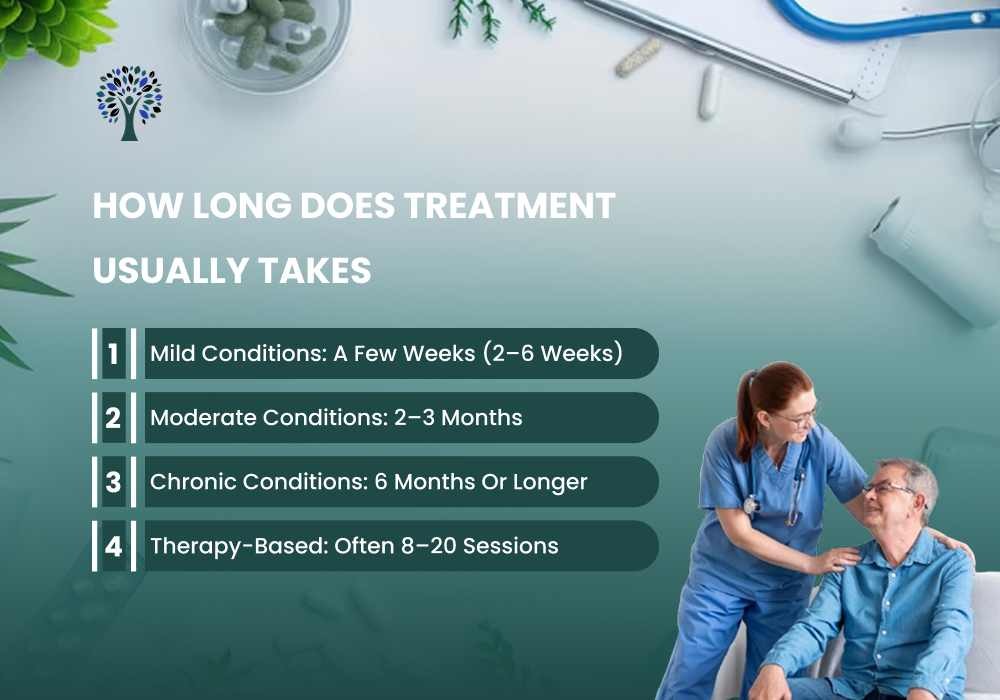
How Long Does Treatment Usually Take?
The length of treatment for major depressive disorder varies from person to person. Some people see improvement in a few weeks, while others may need several months of therapy and medication. Treatment focuses on steady progress, not quick fixes, to ensure lasting recovery.
Mild or moderate depression may improve with a few months of therapy and lifestyle changes. Severe or long-term depression often requires ongoing care. Long-term treatment helps prevent symptoms from returning. Regular check-ins with a mental health professional are essential.
Signs that treatment is working
People often notice minor improvements first. Energy levels may rise. Sleep patterns may normalize. Mood may feel steadier. Daily tasks become easier. Therapy and depression medication treatment work together to help these changes happen. Over time, people may feel more motivated and connected with others.
Recovery is not always linear. Some days may feel more challenging than others, and that is normal. Mental health support ensures guidance and encouragement throughout. With consistent care, people can manage symptoms, regain stability, and improve quality of life. Proper depression management allows many people to return to work, enjoy activities, and strengthen relationships while keeping symptoms under control.
Getting Professional Help With Major Depressive Disorder
Seeking professional help is an essential step in treating major depressive disorder. Mental health professionals can provide therapy, guidance, and support tailored to each person’s needs. Early help can reduce symptom intensity and improve daily life.
People should reach out for help if sadness lasts more than two weeks, daily activities become difficult, or energy and focus drop. Persistent feelings of hopelessness, guilt, or worthlessness are also signs that professional care is needed. Early intervention can prevent depression from worsening.
How to prepare for your first visit
Before the first appointment, note symptoms, sleep patterns, appetite changes, and mood shifts. Listing past treatments or medications can guide the professional. Being honest about thoughts and feelings ensures the right care plan. Questions about therapy options, medication, and lifestyle changes are encouraged.
Professional care may include psychotherapy for depression, depression medication treatment, or a combination of both. For people considering medication management, Peniel Psychiatry’s Medication Management Services provide expert guidance and ongoing support. Mental health professionals monitor progress and adjust treatment as needed to ensure safety and steady improvement.
If you or a loved one is struggling with major depressive disorder, you can book an appointment today to start professional care and receive personalized support. Early help can improve mood, daily functioning, and long-term recovery.
Final Thoughts
Major depressive disorder is a serious condition, but it can be managed with the proper care. Therapy for depression, medication, lifestyle changes, and steady mental health support all play a role in recovery. Each person’s journey is unique, and treatment should be tailored to individual needs.
Early professional help makes a big difference. Mental health support can guide therapy and medication choices, monitor progress, and adjust treatment when needed. Small daily habits, like regular sleep, exercise, and balanced meals, strengthen recovery and improve overall well-being.
Frequently Asked Questions (FAQs)
Here are some common questions about major depressive disorder and its treatment. These answers are simple, straightforward, and based on reliable mental health guidance.
What is the most effective treatment for major depressive disorder?
Treatment usually combines therapy for depression, medication, and lifestyle changes. Cognitive behavioral therapy (CBT) is effective, and antidepressant medication may help balance mood. Many people benefit from using both therapy and medication together.
How long does it take to see improvement?
Improvement can take a few weeks for mild depression. Severe or long-term depression may take several months of therapy and medication. Steady care and regular follow-ups help monitor progress.
Can lifestyle changes really help?
Yes. Regular sleep, balanced meals, exercise, and structured routines support recovery. These changes strengthen the effects of therapy and medication.
Is recovery permanent?
Recovery can be long-term with proper depression management. Symptoms may return, but therapy, medication, and ongoing mental health support reduce the risk of relapse. Regular check-ins help maintain stability.