
If you’re looking for how to stop anxiety chills, you’re not the only one. Many people feel cold, shaky, or get goosebumps when they feel anxious. These signs can show up even if you’re not sick and don’t have a fever. Your body is simply reacting to stress; this is a normal response.
In this blog, we’ll talk about why anxiety makes your body feel cold. We’ll also share easy ways to calm down fast. You’ll learn simple steps to stop chills now and how to keep them from coming back later.
Anxiety chills and chills from stress are more common than most people realize. They are not a sign that something is seriously wrong. Can anxiety cause chills? Yes, it can. Can stress cause chills too? Also yes. Both anxiety and stress put your body into the same fight-or-flight state, and your body reacts the same way. The good news is that anxiety chills go away on their own once the stress passes, and there are simple things you can do to speed that up.
What Do Anxiety Chills Feel Like?
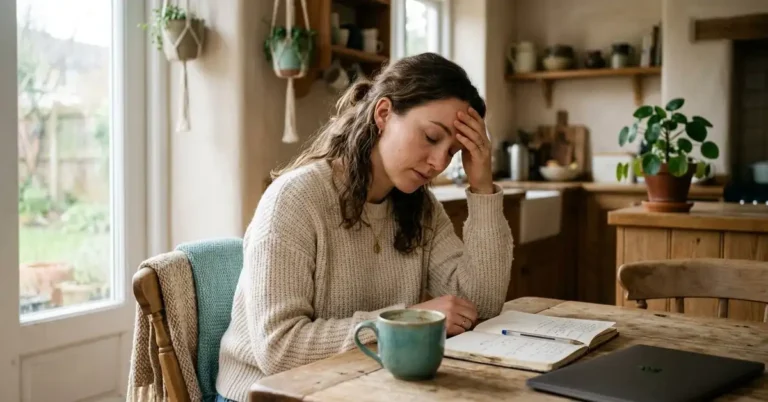
Anxiety chills can feel strange, even a little scary. You may feel a wave of coldness pass through your body, get goosebumps, or start to shiver. This happens even when you’re not sick or the weather isn’t cold. It’s just your body reacting to anxiety.
How to Tell It’s Anxiety, Not Something Else
When anxiety hits, your body goes into “fight-or-flight” mode. It thinks you’re in danger, even if you’re not. This can cause physical symptoms such as chills, shaking, or feeling cold without an apparent reason.
These chills often come on fast. You may notice that your hands or feet become cold. Sometimes, you might feel goosebumps or light muscle tension. Your heart may race, too. These are all signs of an anxiety attack or stress response.
But how do you know it’s anxiety and not the flu? Here’s the difference:
- You won’t have a fever.
- You won’t feel weak or sick overall.
- The chills go away when you start to calm down.
If you’ve had these body chills from stress before, you’ll start to recognize the pattern. Knowing it’s anxiety can help you stay calm the next time it happens.
When your mind feels unsafe, your body follows. It’s not your fault; it’s just how your brain and body work together. You’re not broken, and you’re not alone. Many people feel this way. And the good news? You can learn to stop anxiety chills and take back control.
Can Anxiety Give You Goosebumps?
Yes, it can. Anxiety goosebumps are very common and happen for the same reason as chills. When adrenaline floods your body during stress, the tiny muscles around your hair follicles tighten up. This pulls the skin into small bumps. It is the same reflex your body uses when you feel cold. Anxiety and goosebumps often come together, especially at the start of a stressful moment or during an anxiety attack. They are harmless and usually fade within a few minutes once you start to calm down.
Why Does Anxiety Cause Chills?
Many people wonder why anxiety causes chills. It’s strange to feel cold or shaky when you’re not sick. But the body has a simple reason. Anxiety triggers a strong stress response that affects how you feel.
What Happens in Your Body During Anxiety
When you feel anxious, your nervous system goes into “fight-or-flight” mode. This means your body thinks you’re in danger. It prepares to either fight or flee. To do this, it releases a hormone called adrenaline.
Adrenaline changes your body in many ways. It makes your heart beat faster and sends more blood to your muscles. At the same time, it reduces blood flow to your skin to save energy. This drop in skin blood flow can make you feel cold or give you chills.
Also, anxiety can make your muscles tense up. When muscles contract, they can cause shivers or goosebumps. Your breathing might become shallow, which can also contribute to feeling cold or shivering.
These changes are all part of the body’s natural way to protect you. Even though there’s no real danger, your body reacts like there is one. That’s why you feel chills during anxiety attacks or moments of high stress.
Why Does Anxiety Make You Feel Cold?
A lot of people ask: Can anxiety make you feel cold even when the room is warm? Yes. This is one of the more confusing parts of anxiety because it does not seem to make sense. You are not outside in the cold. You are not sick. But you feel cold anyway.
Here is why. When anxiety kicks in, your body pulls blood away from your skin and sends it to your muscles instead. Less blood near the skin means less warmth on the surface of your body. This is why anxiety and feeling cold happen at the same time. Your hands, feet, and face often feel coldest because they have the most surface blood vessels.
Some people also experience cold chills with anxiety that come in waves. This occurs as adrenaline levels rise and fall during a prolonged stress response. If you keep getting cold chills from anxiety, it is usually a sign that your nervous system is staying in a heightened state longer than it should. Managing that underlying anxiety is the long-term fix.
How Can You Stop Anxiety Chills Right Away?
Anxiety chills can come on suddenly and feel uncomfortable. The good news is you can calm your body fast. Simple steps can help reduce the cold, shivers, and muscle tension caused by anxiety.
Quick Tips to Calm Your Body and Stop Chills
When anxiety chills hit, try these easy ways to feel better right away:
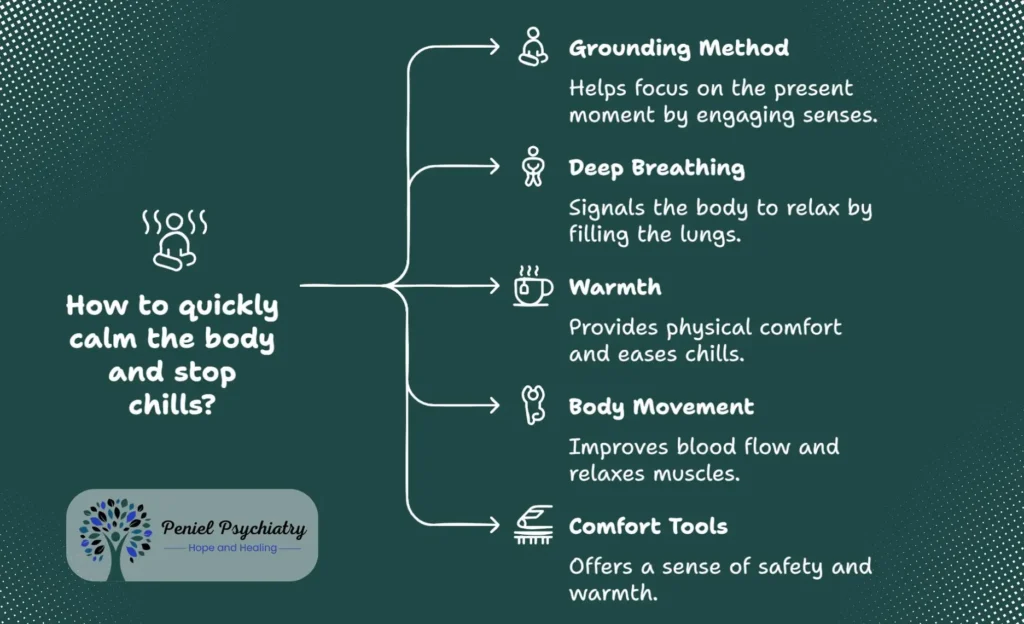
- Ground Yourself with the 5-4-3-2-1 Method: Notice five things you see, four things you can touch, three things you hear, two things you smell, and one thing you taste. It helps bring your focus away from the scary feelings and back to the present moment.
- Take Deep, Slow Breaths: Slow, deep breathing fills your lungs and signals your body to relax. Try breathing in for 4 seconds, holding for 4 seconds, and breathing out for 6 seconds.
- Use Warmth: Drinking warm tea or holding a heat pack can help warm your body and ease chills. Even wrapping yourself in a blanket helps.
- Move Your Body: Gentle stretching or walking can improve blood flow and relax muscles. This can reduce shivers and muscle tension.
- Use Comfort Tools: A weighted blanket or cozy socks can make you feel safer and warmer.
These simple actions help calm your nervous system. They lower the fight-or-flight response, reducing adrenaline and stopping chills. When you practice these, you can take back control during anxiety attacks or stressful moments.
How to Stop Anxiety Shivers and Shivering
Shivering from anxiety is different from shivering because you are cold. Anxiety shivering happens because your muscles are tense and overloaded with adrenaline. The body shakes to release that built-up energy.
If you want to know how to stop anxiety shivers fast, or stop shaky hands during stressful moments specifically, the most effective approach is to shake it out intentionally. Let your hands, arms, or legs shake on purpose for a few seconds, then take a slow breath and let the tension drop. This sounds strange, but it works. It tells your nervous system that the threat is gone and the energy has been released. Warm water on your wrists or the back of your neck also helps stop shivering quickly by warming the blood flowing back to your core.
Anxiety shakes and chills often come together. If you feel both at once, focus on your breathing first. Once your breathing slows, the shivering usually follows.
How Can You Prevent Anxiety Chills Long-Term?
Anxiety chills can happen again if you don’t manage your stress. The good news is you can reduce how often they come by making small changes in your daily life. These steps help your body stay calm and lower anxiety.
Simple Ways to Stop Anxiety Chills
Here are some easy habits you can start to prevent anxiety chills over time:
- Try Therapy: Cognitive Behavioral Therapy (CBT) helps you spot and change anxious thoughts. This reduces your body’s stress reactions, including chills.
- Get Enough Sleep: Sleep helps your body reset and recharge. When you sleep well, your stress response weakens.
- Eat Well and Drink Water: Balanced meals and staying hydrated keep your body working smoothly. Avoid too much caffeine or alcohol, which can raise anxiety.
- Exercise Regularly: Physical activity helps lower stress hormones and improve blood flow. This helps reduce chills caused by tension.
- Practice Mindfulness or Meditation: Taking a few minutes each day to focus on your breathing or sensations helps calm your nervous system. This lowers the fight-or-flight response that causes chills.
By adopting these habits, you can help your body manage stress better. Over time, you’ll notice fewer anxiety chills and feel more in control of your body and mind.
Can Stress Cause Chills Too?
Yes. Chills from stress work the same way as anxiety chills. Stress and anxiety both trigger the fight-or-flight response, and that same adrenaline rush causes the same cold, shivery feeling. Chills caused by stress tend to build up more gradually than anxiety chills, but they can feel just as uncomfortable.
Can Depression Cause Chills?
Depression chills are less talked about, but they do happen. Depression affects the nervous system and can disrupt how your body regulates temperature. Some people feel persistently cold when depressed, even without anxiety present. If you notice body chills that are not linked to moments of stress or panic but come with low mood, fatigue, and withdrawal, it may be worth speaking to a provider about depression as well.
When Should You Talk to a Mental Health Professional?
Anxiety chills can be scary, especially when they happen often or feel very strong. Sometimes, self-help steps are not enough to address the issue. Knowing when to get professional help is essential. A mental health expert can guide you to feel better and manage your symptoms safely.
Signs You Should See a Therapist or Doctor
Here are some clear signs it’s time to get help:
- Your chills occur frequently and disrupt your daily life.
- You often feel anxious, even without an apparent reason.
- Physical symptoms, such as chills, shaking, or a racing heart, scare you or make you feel out of control.
- You find it hard to calm down or focus on daily tasks.
- You want to learn better ways to manage anxiety and stress.
Mental health professionals, such as those at Peniel Psychiatry, are well-versed in understanding these symptoms and their underlying causes. They can help determine whether anxiety or another condition is causing your chills. They also offer treatments such as therapy, counseling, or medication as needed.
Remember, anxiety-related chills are not dangerous in themselves, but they can indicate that your anxiety needs attention.
Seeking help early can improve your quality of life and relieve symptoms more quickly. So book your appointment now to get help quickly.
FAQs About Stop Anxiety Chills
Can anxiety make you feel cold without actually being cold?
Yes. Feeling cold with anxiety is very common and does not mean the temperature dropped. When anxiety triggers the stress response, blood moves away from your skin toward your muscles. This leaves your skin with less heat, which is why people feel cold when anxious, even in a warm room. Hands and feet are usually the first to feel it.
What do anxiety chills feel like?
Anxiety chills can feel like a wave of cold passing through your body, sudden goosebumps, muscle shivering, or a cold flush across your skin. Some people describe it as a chill running down their spine. Others say it feels like standing in a cold breeze even when they are indoors. The feeling can come on fast and then fade just as quickly once the anxiety starts to ease.
Can stress cause chills without a fever?
Yes. Stress chills happen because of the body’s fight-or-flight reaction, not because of an infection. There is no fever because there is no illness. Stress chills are purely a nervous system response. If you get chills regularly without fever and they are tied to stressful moments, anxiety is likely the cause.
Can anxiety cause cold chills and shivering at the same time?
Yes. Anxiety, cold chills, and shivering often come together. The cold feeling comes from reduced blood flow to the skin, while the shivering comes from tense muscles releasing adrenaline. Both are part of the same stress response. Using slow breathing and gentle movement can help stop both faster.
How long do anxiety chills last?
Anxiety chills usually last anywhere from a few minutes to about half an hour. They tend to ease as your nervous system calms down. If you use breathing exercises or grounding techniques, they often stop sooner. If your chills last much longer or keep coming back throughout the day, it may be a sign that your overall anxiety levels need more support.
Are anxiety chills dangerous?
No. Anxiety chills are not dangerous. They are uncomfortable but harmless. They signal that your body is responding to stress, not that something is medically wrong. That said, if you are unsure whether your chills are from anxiety or something else, it is always a good idea to check with a doctor to rule out other causes.
How can I stop shaky hands during stressful moments?
Shaky hands during stressful moments happen when adrenaline floods your muscles, causing them to tense and tremble. To calm them quickly, try slow diaphragmatic breathing, gently shaking your hands out on purpose for a few seconds, or pressing your palms together to release built-up tension. Warming your hands, holding a warm drink or rubbing them together, also helps, since anxiety pulls blood flow away from your extremities.
Final Thoughts
Anxiety chills can feel strange and scary, but they are a regular part of how your body reacts to stress. You’re not alone in experiencing these symptoms, and they don’t mean you’re sick or broken.
Taking small steps, such as practicing deep breathing, grounding techniques, and adopting healthy lifestyle choices, can help you overcome chills and regain control. If anxiety chills happen often or disrupt your life, don’t hesitate to ask for help.
At Peniel Psychiatry, we understand how anxiety affects your body and mind. We’re here to support you with care and expert guidance. Remember, managing anxiety is a journey, and every step you take counts.
You can learn to calm your body and stop anxiety chills. You can feel better and regain peace of mind.