
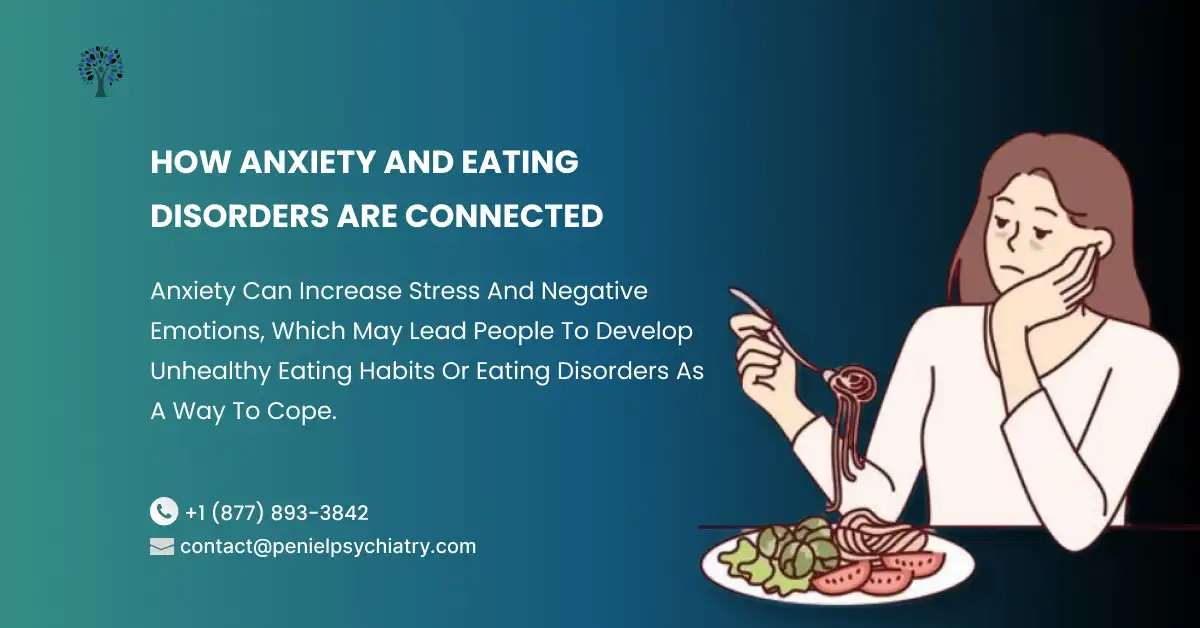
Anxiety disorders and eating disorders often appear together and can affect both mental and physical health. Many people with anxiety notice changes in appetite, emotional eating, or a growing fear of weight gain. In simple terms, anxiety can influence eating habits and lead to unhealthy patterns around food.
These conditions are closely linked because anxiety affects thoughts, emotions, and daily behavior. Some people experience loss of appetite from anxiety, while others turn to binge eating during stress or develop restrictive eating behavior. Over time, this can create an unhealthy relationship with food and body image.
Understanding the connection between anxiety and eating disorders is important. When people recognize the early signs, they can seek mental health support and start the path toward healthier eating habits and emotional balance.
Understanding Anxiety Disorders and Eating Disorders
Anxiety disorders and eating disorders are two mental health conditions that often appear together. Both affect thoughts, emotions, and daily habits. Anxiety can change how a person feels about food, body image, and control. Over time, this can lead to unhealthy eating patterns. Many people do not notice the connection at first. But the link between anxiety and eating disorders is real and important to understand.
What Are Anxiety Disorders?
Anxiety disorders are mental health conditions that cause constant worry, fear, or nervous thoughts. These feelings do not go away easily. They may affect sleep, focus, and daily life.
People with anxiety often experience anxiety symptoms affecting their appetite. Some lose interest in food. Others feel stomach discomfort, nausea, or tension that makes eating difficult. This can lead to loss of appetite from anxiety or irregular meals.
In some cases, anxiety also leads to stress-related eating habits. A person may eat more during emotional stress. This behavior is often called emotional eating and anxiety. Food becomes a way to cope with strong feelings.
What Are Eating Disorders?
Eating disorders are serious mental health conditions related to food, eating habits, and body image. A person may develop an unhealthy relationship with food. They may worry a lot about weight, shape, or eating control.
Common behaviors include restrictive eating behavior, binge eating during stress, or obsessive thoughts about food. These patterns are often linked to deeper emotional struggles.
Research shows a strong connection between anxiety disorders and eating disorders. Anxiety can increase the risk of unhealthy eating patterns. That is why many treatment plans focus on therapy for anxiety and eating disorders together. Proper mental health support can help people rebuild healthy eating habits and emotional balance.
Types of Anxiety and Eating Disorders
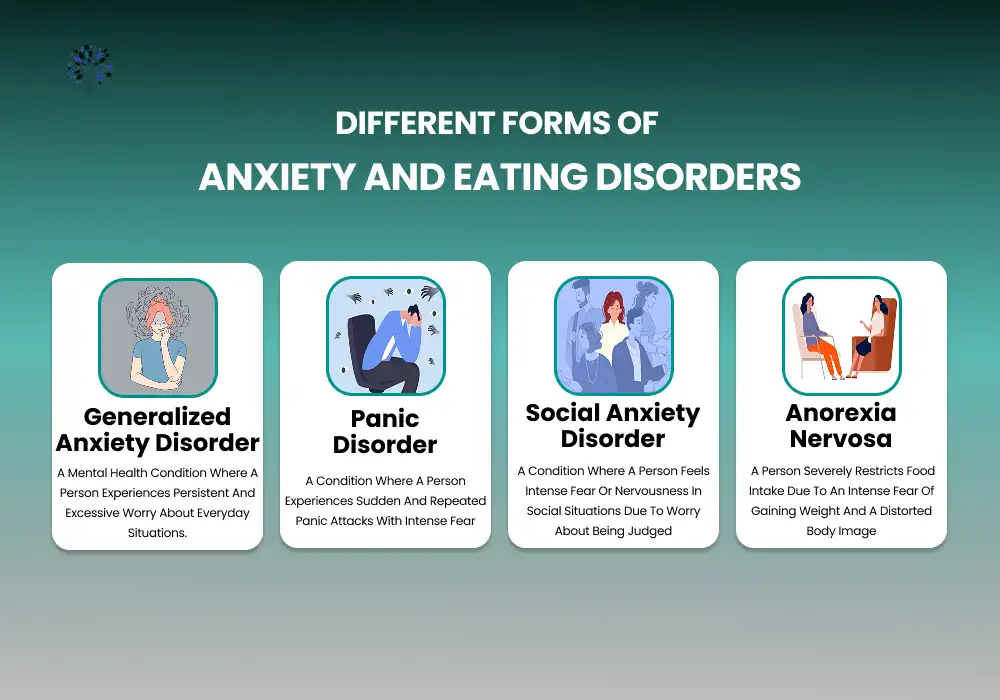
Anxiety disorders and eating disorders are not all the same. Each type affects people differently, and both can influence daily habits, including sleep, focus, and eating behavior. Anxiety can lead to anxiety-related eating problems, like emotional eating and anxiety or loss of appetite from anxiety. Similarly, eating disorders affect thoughts, emotions, and body image. Understanding the different types helps people recognize early signs and seek the right support.
Generalized Anxiety Disorder (GAD)
Generalized Anxiety DisorderGAD involves constant worry about everyday situations, such as work, health, or family. People with GAD often feel tense, restless, or tired. Over time, this anxiety can affect eating habits, leading to loss of appetite from anxiety or stress-related eating habits.
Panic Disorder
Panic disorder causes sudden, intense panic attacks with symptoms like a fast heartbeat, shortness of breath, or dizziness. During these episodes, some people feel stomach discomfort, nausea, or avoid food, which can trigger anxiety symptoms affecting appetite.
Social Anxiety Disorder
Social anxiety disorder makes people fear being judged or embarrassed in social situations. Some avoid eating in public, which can lead to restrictive eating behavior or irregular eating patterns, contributing to the anxiety and eating disorder connection.
Anorexia Nervosa
Anorexia involves eating very little due to a fear of gaining weight. People often show restrictive eating behavior and experience anxiety around food, making eating stressful or uncomfortable.
Bulimia Nervosa
Bulimia includes cycles of overeating followed by vomiting, excessive exercise, or strict dieting. People may develop emotional eating and anxiety patterns or binge eating during stress to cope with strong emotions.
Binge Eating Disorder
Binge Eating Disorder involves eating large amounts of food with a sense of loss of control. It is often linked to stress-related eating habits. Anxiety, sadness, or pressure can trigger repeated binge episodes, creating an unhealthy relationship with food and worsening mental health.
How Anxiety Disorders and Eating Disorders Are Connected
The connection between anxiety disorders and eating disorders is strong. Many people experience both conditions at the same time. Anxiety affects thoughts, emotions, and daily habits. As a result, it can also influence eating behavior. Some people lose their appetite, while others use food to cope with stress.
Over time, these patterns can lead to unhealthy eating habits. Research shows that people with anxiety have a higher risk of developing eating problems. This is why many doctors treat anxiety and eating disorders together to improve mental health and eating behavior.
Anxiety as a Risk Factor
Anxiety often increases fear, worry, and negative thinking. These feelings can make a person focus too much on body weight or eating control.
For some people, anxiety causes loss of appetite. They may skip meals or avoid food because they feel nervous or uncomfortable. Others may start restrictive eating behavior as a way to feel more in control of their life.
Emotional Control Through Food
Food sometimes becomes a way to manage strong emotions. When people feel stressed, lonely, or overwhelmed, they may turn to food for comfort.
This pattern is known as emotional eating and anxiety. During stressful moments, a person may binge eat. Eating temporarily reduces emotional pressure, but the relief does not last long.
Body Image and Fear
Anxiety can also increase worries about appearance and body shape. Social pressure and fear of judgment can make these thoughts stronger.
People may develop obsessive thoughts about food or a strong fear of gaining weight. Over time, these worries may create an unhealthy relationship with food. This is one of the reasons why the anxiety and eating disorder connection is so common in mental health care.
Common Symptoms to Watch For
The symptoms of anxiety disorders and eating disorders can appear in different ways. Some signs affect emotions and thoughts. Others change their daily habits or physical health. Many people first notice small changes in eating patterns or mood.
Over time, these changes may become stronger. Anxiety can influence appetite, digestion, and body image. Because of this, some people develop anxiety-related eating problems or stress-related eating habits. Recognizing these warning signs early can help someone seek appropriate mental health support and begin the right care.
Emotional and Mental Symptoms
Emotional signs are often the first warning. A person may feel constant worry, fear, or nervous thoughts about food and body weight.
Some people develop obsessive thoughts about food or a strong fear of gaining weight. Anxiety may also increase negative body image and self-criticism. These feelings can lead to emotional eating and anxiety, where food becomes a way to cope with stress or sadness.
Behavioral Changes
Changes in daily habits are another common sign. A person may avoid meals, eat very little, or suddenly eat large amounts of food.
Some people show restrictive eating behavior to control weight. Others may experience binge eating during stress when emotions feel overwhelming. These behaviors often develop slowly but can become harmful if they continue for a long time.
Physical Warning Signs
Physical symptoms may also appear when anxiety affects eating habits. People may notice stomach discomfort, fatigue, or sudden changes in weight.
Many individuals experience loss of appetite from anxiety, nausea, or digestive problems. These physical signs often show that mental health and eating patterns are closely connected.
Causes and Risk Factors
The causes of anxiety disorders and eating disorders are often complex. These conditions usually result from a mix of genetic, psychological, and environmental factors. Anxiety can make a person more vulnerable to developing unhealthy eating habits. At the same time, struggling with eating disorders can increase anxiety and stress.
Understanding the risk factors can help recognize early warning signs and seek professional help. Many people develop anxiety-related eating problems or emotional eating and anxiety due to these combined influences.
Genetic and Biological Factors
Some people are more likely to develop anxiety or eating disorders because of family history. Genes can affect brain chemistry, stress response, and emotional regulation. Biological factors may also influence appetite, digestion, and body weight control. These inherited traits can increase the risk of stress-related eating habits and other unhealthy eating behaviors.
Psychological Factors
Mental health conditions, such as anxiety, depression, or obsessive-compulsive tendencies, can trigger eating problems. Perfectionism, low self-esteem, and fear of judgment often play a role. People may develop restrictive eating behavior or binge eating during stress to cope with intense emotions. These behaviors provide temporary relief but often worsen mental health over time.
Social and Environmental Influences
Social pressure, media influence, and cultural expectations about body image can increase anxiety around eating and appearance. Stressful life events, bullying, or trauma can also contribute to unhealthy eating habits. Environmental factors may lead to emotional eating and anxiety, obsessive thoughts about food, or fear of gaining weight, further reinforcing the connection between anxiety disorders and eating disorders.
Treatment Options for Anxiety and Eating Disorders
Treating anxiety disorders and eating disorders together is important because both conditions affect each other. Proper care can help people improve their mental health, eating habits, and overall well-being.
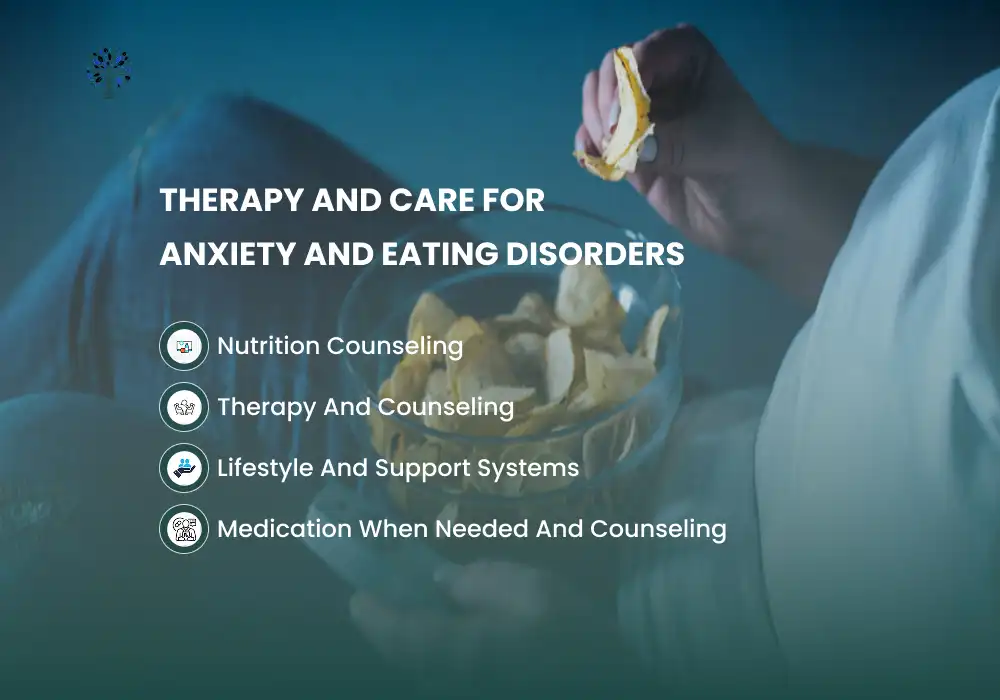
Many treatments focus on emotional support, healthy coping strategies, and rebuilding a balanced relationship with food. Using therapy for anxiety and eating disorders is often the first step, while other treatments help manage symptoms and promote recovery.
- Therapy and Counseling: Therapy is a key part of treatment. Cognitive Behavioral Therapy (CBT) helps people identify negative thoughts about food, body image, and anxiety. It also teaches healthier coping strategies. Therapy can reduce emotional eating and anxiety and prevent binge eating during stress. Other counseling approaches, like family therapy or group sessions, provide support and understanding for long-term recovery.
- Medication When Needed: Sometimes, medication may be prescribed to manage anxiety, depression, or other mental health conditions linked to eating disorders. Medication can help reduce constant worry, improve mood, and stabilize appetite. When combined with therapy, it increases the chances of recovery and improves overall mental health.
- Nutrition Counseling: A professional nutritionist can help restore healthy eating habits. They provide guidance on balanced meals, portion control, and safe eating patterns. Nutrition counseling reduces restrictive eating behavior and supports emotional and physical recovery.
- Lifestyle and Support Systems: Daily habits and support systems are also important. Regular exercise, adequate sleep, stress management, and mindfulness can reduce anxiety symptoms that affect appetite. Support from family, friends, or mental health groups encourages consistency and builds confidence in recovery.
Proper treatment for anxiety and eating disorders can improve both mental and physical health, helping people regain control over their lives and eating habits.
When to Seek Professional Help
Knowing when to seek help is very important for anyone dealing with anxiety disorders and eating disorders. Early intervention can prevent symptoms from becoming more serious and can improve recovery outcomes. Many people try to manage anxiety or eating problems on their own, but professional care offers guidance, support, and safe treatment. Recognizing warning signs early can make a big difference in restoring mental health and healthy eating patterns.
If you notice these signs, don’t wait; contact Peniel Psychiatry for professional guidance.
Warning Signs That Require Attention
Some signs indicate it’s time to seek professional help. These include persistent worry, panic attacks, or obsessive thoughts about food and weight. Changes in eating habits, loss of appetite from anxiety, or frequent binge eating during stress are also red flags. Physical signs, like sudden weight changes, digestive issues, or fatigue, can indicate that anxiety is affecting eating behavior.
Importance of Early Diagnosis
Early diagnosis helps mental health professionals create a treatment plan tailored to each person. Identifying both anxiety and eating problems allows therapists and doctors to address the root causes. This can prevent further complications, such as malnutrition, severe anxiety, or depression.
How Professional Care Can Help Recovery
Professional treatment at Peniel Psychiatry may include therapy for anxiety and eating disorders, medication, nutrition counseling, and support groups. Experts help individuals develop healthy coping strategies, improve emotional regulation, and restore a balanced relationship with food.
Take the first step today, book an appointment, or contact us to start your journey toward recovery.
Final Thoughts
Dealing with anxiety disorders and eating disorders can feel overwhelming, but recovery is possible with the right support. These conditions often appear together, affecting thoughts, emotions, and eating habits. Understanding the connection between anxiety and eating disorders helps people recognize early signs and take action.
Professional treatment, including therapy for anxiety and eating disorders, nutrition guidance, and support, can restore healthy habits and emotional balance. At Peniel Psychiatry, our team provides compassionate care tailored to each individual.
Frequently Asked Questions (FAQs)
Can anxiety disorders lead to eating disorders?
Yes. Anxiety can affect thoughts, emotions, and daily habits, which may lead to emotional eating and anxiety or restrictive eating behavior over time.
What is the link between anxiety and eating disorders?
Anxiety often increases fear, worry, and stress. This can influence food intake, body image, and emotional control, creating an unhealthy relationship with food.
Can anxiety cause loss of appetite?
Yes. Many people experience loss of appetite from anxiety or stomach discomfort, which can make eating feel stressful or uncomfortable.
Why do people with anxiety develop eating problems?
Anxiety can trigger stress-related eating habits or binge eating. Food may be used to cope with strong emotions, fear, or social pressure.
What are the early signs of an eating disorder?
Warning signs include skipping meals, obsessive thoughts about food, sudden weight changes, and frequent emotional eating and anxiety episodes.
How does anxiety affect appetite and digestion?
Anxiety can cause nausea, stomach tension, or irregular eating patterns. These physical symptoms often worsen anxiety-related eating problems.